Best way to grow salmon recipes
Have you ever wondered how to turn a simple piece of fish into a restaurant-quality meal right in your own kitchen? Salmon recipes offer the perfect solution for anyone looking to create nutritious, flavorful dishes without spending hours in the kitchen. Cooking salmon at home is not only cost-effective but also allows you to control the ingredients, adjust flavors to your preference, and impress your family with minimal effort. Whether you’re a beginner cook or an experienced culinary enthusiast, mastering baked salmon recipes will elevate your weeknight dinners and special occasions alike. The beauty of salmon lies in its versatility—it pairs beautifully with countless seasonings, vegetables, and cooking methods, making it an essential protein in any home kitchen.
Table of Contents
Ingredients & Kitchen Tools
To create a delicious salmon dish, you’ll need the following ingredients and equipment:
Main Ingredients:
– 4 salmon fillets (6 ounces each), skin-on or skinless
– 2 tablespoons olive oil or melted butter
– 3 cloves garlic, minced
– 1 lemon (juice and zest)
– Fresh dill or parsley (2 tablespoons, chopped)
– Salt and black pepper to taste
Optional Seasonings & Variations:
– Honey or maple syrup (1 tablespoon for glazing)
– Soy sauce or tamari (2 tablespoons)
– Paprika or cayenne pepper for heat
– Dijon mustard (1 teaspoon)
– Fresh ginger, grated
Kitchen Tools Required:
– Baking sheet or oven-safe skillet
– Parchment paper or aluminum foil
– Meat thermometer
– Mixing bowl
– Basting brush
– Sharp knife and cutting board
– Tongs or fish spatula
Substitutions:
You can replace olive oil with avocado oil, swap fresh herbs for dried (use 1 teaspoon instead), or use lime instead of lemon for a different citrus profile.
Timing / Cooking Schedule
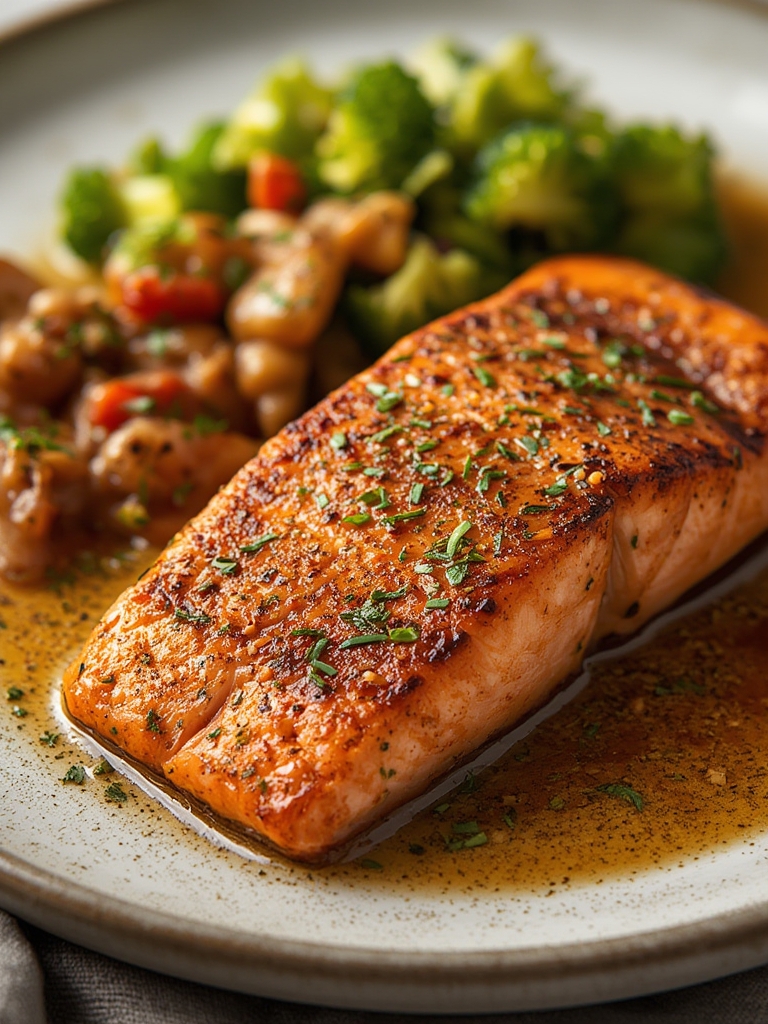
Understanding the timing for preparing salmon ensures perfectly cooked, moist fish every time.
Prep Time: 10 minutes
Marinating Time: 15-30 minutes (optional but recommended)
Cooking Time: 12-15 minutes
Total Time: Approximately 35-40 minutes
For busy weeknights, you can prepare the marinade in the morning and let the salmon absorb flavors throughout the day in the refrigerator. If you’re short on time, even 15 minutes of marinating will enhance the taste significantly. The actual cooking time depends on the thickness of your fillets—plan for about 4-6 minutes per half-inch of thickness when baking at 400°F.
Step-by-Step Instructions for preparing salmon recipes
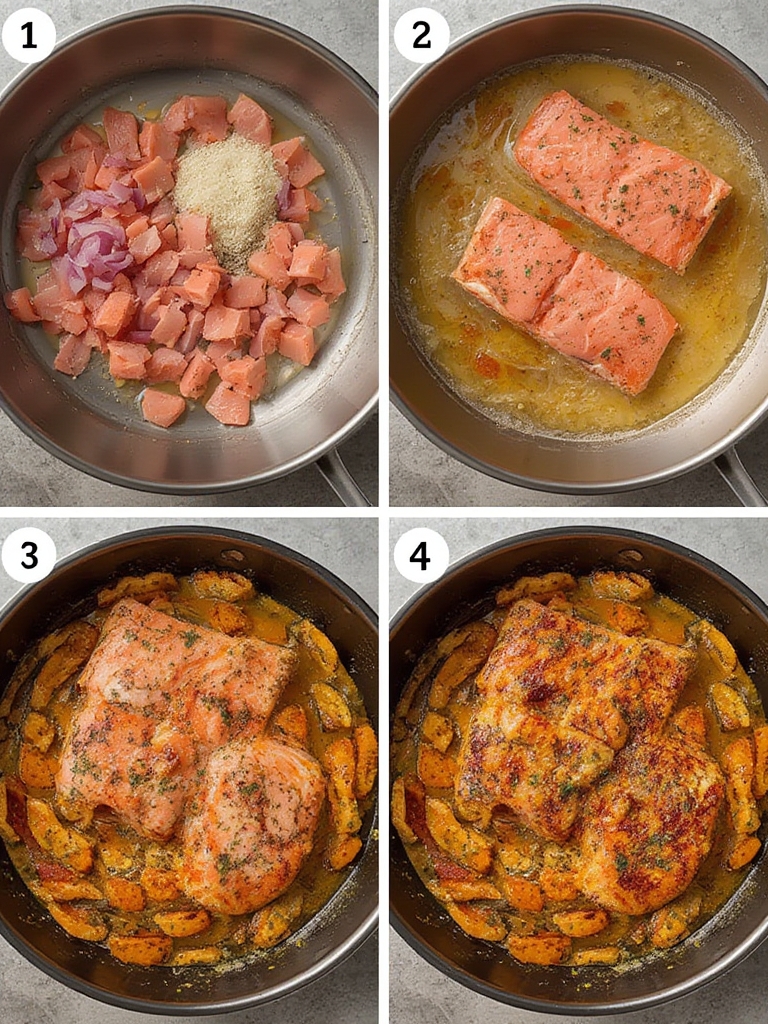
Follow these detailed instructions to create perfect salmon recipes every time:
Step 1: Prepare Your Salmon
Pat the salmon fillets dry with paper towels to remove excess moisture. This helps achieve better browning and prevents steaming. Check for any remaining pin bones by running your fingers along the flesh and remove them with tweezers.
Step 2: Create the Marinade
In a mixing bowl, combine olive oil, minced garlic, lemon juice and zest, chopped herbs, salt, and pepper. Whisk until well incorporated. For enhanced flavor, add honey or soy sauce if desired.
Step 3: Marinate the Fish
Place salmon fillets in a shallow dish and pour the marinade over them, ensuring even coverage. Cover and refrigerate for 15-30 minutes. Avoid marinating for longer than an hour, as the acid in lemon can begin to “cook” the fish.
Step 4: Preheat Your Oven
Set your oven to 400°F (200°C) and line a baking sheet with parchment paper. This temperature provides the perfect balance between cooking the fish through and maintaining moisture.
Step 5: Arrange and Season
Place the marinated salmon fillets skin-side down on the prepared baking sheet, spacing them evenly. Brush with any remaining marinade for extra flavor.
Step 6: Bake to Perfection
Bake for 12-15 minutes until the salmon reaches an internal temperature of 145°F. The fish should be opaque and flake easily with a fork. Many people who love baked salmon recipes prefer slightly undercooked salmon at 135°F for a tender, moist texture.
Step 7: Rest and Serve
Remove from the oven and let rest for 2-3 minutes before serving. This allows the juices to redistribute throughout the fillet.
Nutritional Benefits / Advantages
Salmon is a nutritional powerhouse that offers numerous health benefits, making it an excellent choice for health-conscious home cooks.
Rich in Omega-3 Fatty Acids: Salmon contains high levels of EPA and DHA, essential fatty acids that support heart health, reduce inflammation, and promote brain function.
High-Quality Protein: Each 6-ounce serving provides approximately 34 grams of protein, supporting muscle maintenance and satiety.
Vitamins and Minerals: Salmon is an excellent source of B vitamins (especially B12), vitamin D, selenium, and potassium—all crucial for energy metabolism and immune function.
Low in Mercury: Compared to many other fish, salmon typically contains lower mercury levels, making it safe for regular consumption.
Weight Management: The combination of protein and healthy fats helps control appetite and supports healthy weight management when part of a balanced diet.
Tips, Alternative Methods, or Recipe Variations
Grilling Method:
Preheat your grill to medium-high heat (about 375-400°F). Oil the grates well and grill salmon skin-side down for 6-8 minutes, then flip and cook for an additional 2-4 minutes.
Pan-Seared Technique:
Heat a cast-iron skillet over medium-high heat with oil. Sear salmon skin-side down for 4-5 minutes until crispy, then flip and cook for 2-3 minutes more.
Air Fryer Option:
Cook at 390°F for 7-9 minutes, depending on thickness. This method creates a beautifully crispy exterior.
Flavor Variations:
– Asian-Inspired: Use soy sauce, ginger, sesame oil, and a touch of honey
– Mediterranean: Top with tomatoes, olives, capers, and oregano
– Cajun-Style: Season with paprika, cayenne, garlic powder, and thyme
– Maple-Glazed: Brush with maple syrup mixed with Dijon mustard
Dietary Modifications:
For keto diets, skip the honey and use butter instead of oil. For Whole30 compliance, use ghee and omit any sweeteners.
Common Mistakes to Avoid
Overcooking:
The most common mistake is cooking salmon too long, resulting in dry, tough fish. Use a meat thermometer and remove salmon at 145°F (or 135°F for medium-rare).
Not Removing Pin Bones:
Always check for and remove pin bones before cooking to ensure a pleasant eating experience.
Using Too High Heat:
Extremely high temperatures can cause the exterior to burn before the interior cooks properly. Stick to 400°F for baking.
Not Drying the Fish:
Excess moisture prevents proper browning and can make the fish steam rather than bake or sear.
Crowding the Pan:
Leave space between fillets to allow heat circulation and even cooking.
Skipping the Rest Period:
Cutting into salmon immediately after cooking releases precious juices. Always let it rest for 2-3 minutes.
Storage / Leftovers & Meal Prep Tips
Refrigeration:
Store cooked salmon in an airtight container in the refrigerator for up to 3 days. Separate layers with parchment paper to prevent sticking.
Freezing:
While fresh salmon freezes well before cooking, cooked salmon can be frozen for up to 2 months. Wrap individual portions tightly in plastic wrap, then place in freezer bags.
Reheating Methods:
– Oven: Reheat at 275°F for 10-15 minutes, covered with foil
– Microwave: Use 50% power in 30-second intervals (though this may dry out the fish)
– Stovetop: Gently warm in a covered skillet with a splash of water or broth
Meal Prep Ideas:
Cook multiple fillets on Sunday and use them throughout the week in salads, grain bowls, pasta dishes, or alongside roasted vegetables. Cold salmon is excellent in sandwiches or wraps.
Storage Tips:
Always cool salmon to room temperature before refrigerating, but don’t leave it out for more than 2 hours to prevent bacterial growth.
Conclusion
Mastering salmon recipes opens up a world of culinary possibilities in your home kitchen. This versatile, nutritious fish can be transformed into countless delicious meals using simple ingredients and straightforward techniques. Whether you prefer the classic approach of baked salmon recipes or want to experiment with grilling and pan-searing methods, the fundamental principles remain the same: don’t overcook, season generously, and let the natural flavors shine. We encourage you to try this recipe tonight and customize it with your favorite herbs, spices, and accompaniments. Share your creations with family and friends, and don’t hesitate to explore other seafood recipes on our blog. Your perfect salmon dish is just one cooking session away!
FAQs
Q1: How do I know when salmon is fully cooked?
Salmon is done when it reaches an internal temperature of 145°F and the flesh is opaque and flakes easily with a fork. For a more tender, moist result, many chefs recommend 135°F. The flesh should change from translucent to opaque pink.
Q2: Should I cook salmon with the skin on or off?
Cooking skin-on helps retain moisture and makes flipping easier if pan-searing. The skin also becomes crispy and delicious when cooked properly. You can easily remove it after cooking if preferred.
Q3: Can I use frozen salmon for these recipes?
Yes, but thaw it properly first. Place frozen salmon in the refrigerator overnight or use the cold water method—seal it in a bag and submerge in cold water for 1-2 hours. Never thaw at room temperature.
Q4: What side dishes pair best with salmon?
Salmon pairs wonderfully with roasted asparagus, garlic green beans, quinoa, rice pilaf, roasted potatoes, fresh salads, or sautéed spinach. The mild flavor complements both light and hearty sides.
Q5: How can I prevent my salmon from sticking to the pan or baking sheet?
Always use parchment paper or a well-oiled surface. For pan-searing, ensure the pan is properly preheated and don’t move the fish until it naturally releases—this indicates proper searing has occurred.